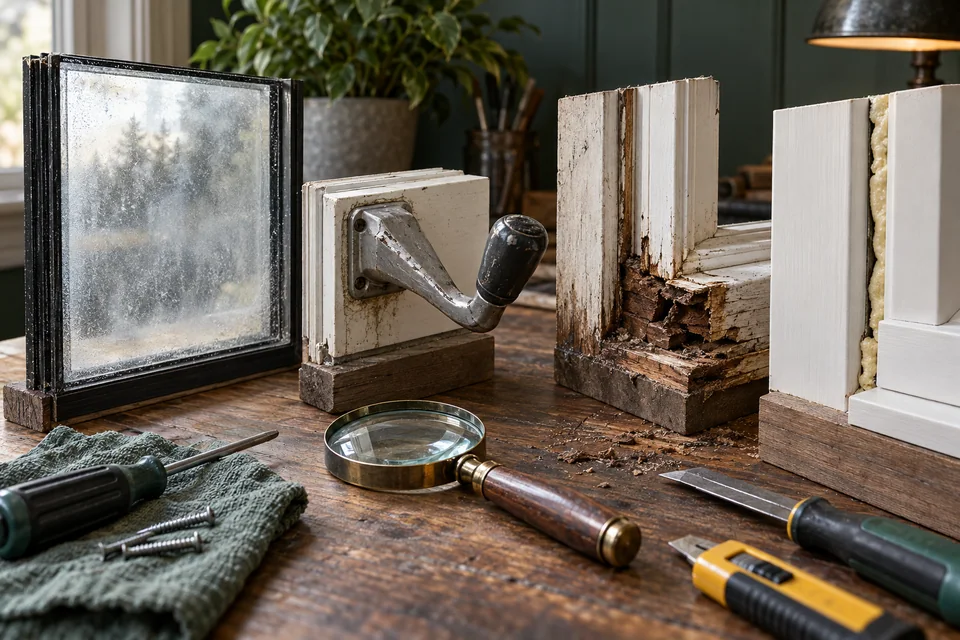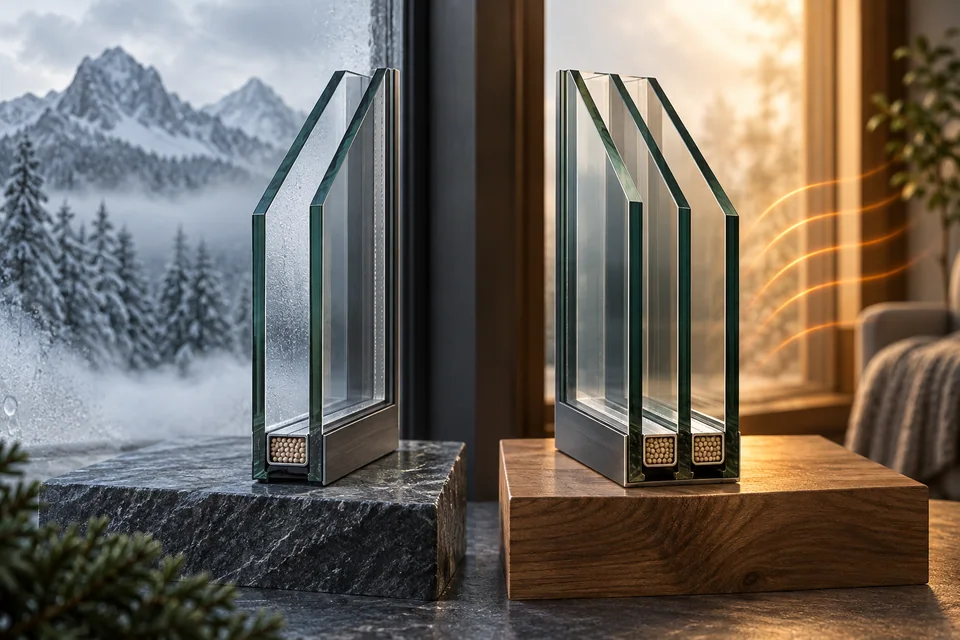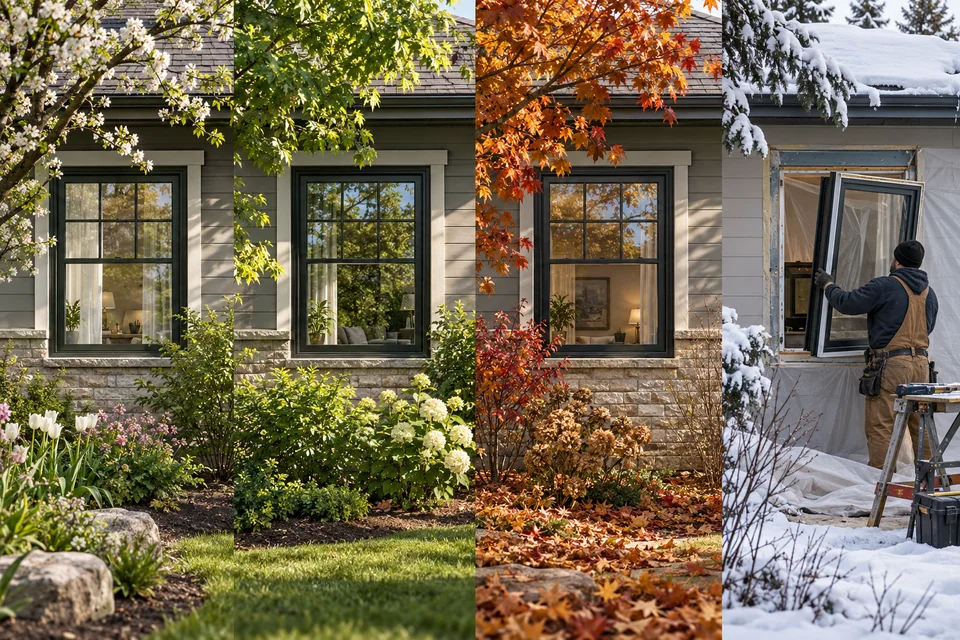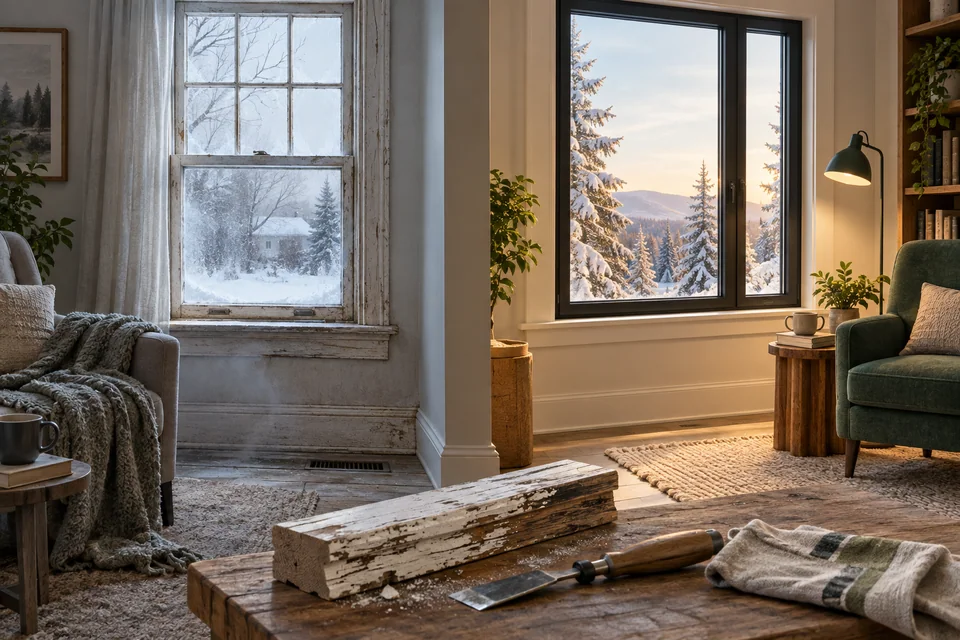
Window replacement is usually worth it when windows are failing (rot, leaks, fogged units, broken hardware), single-glazed or very draughty, or when comfort and condensation are real problems. It is rarely worth it on energy savings alone if your current windows are sound double-glazed units. Compare the cost with repairs and with cheaper upgrades such as air sealing and attic insulation.
- NRCan says windows, doors and skylights can account for up to 25 percent of a home's energy loss, and ENERGY STAR windows are about 20 percent more efficient than average.
- Comfort, condensation control, draught reduction and quiet are often bigger benefits than the energy bill.
- Replacing sound double-glazed windows purely to save energy usually takes a long time to pay back.
- Failing windows can let water into walls; that is a strong reason to act regardless of payback.
- Resale effects vary; there is no reliable single percentage, but failing windows are easy for buyers and inspectors to see.
01 /What do new windows actually improve?
New windows improve five things: heat loss, comfort, condensation, noise and upkeep. How much each improves depends on what you are replacing. Going from old single glazing or sashless sliders to modern certified units is a large change; going from sound double-glazed windows to slightly better ones is a small one.
| Benefit | Large improvement when replacing | Small improvement when replacing |
|---|---|---|
| Heat loss | Single glazing, storm-and-sash combos, sashless sliders | Sound double-glazed low-e windows |
| Comfort near windows | Cold glass and draughty sashes | Recent, well-sealed units |
| Condensation | Aluminum frames, aluminum spacers, single glazing | Units that already have warm-edge spacers and low-e |
| Noise | Leaky windows on a busy street | Tight windows; acoustic glass matters more |
| Upkeep | Wood windows needing constant paint | Vinyl or fibreglass in good condition |
02 /How much energy do new windows save?
The honest answer is: it depends on your climate, your current windows, your heating system and how much of the wall is glass. NRCan gives useful benchmarks. Windows, doors and skylights can account for up to 25 percent of a home's energy loss; ENERGY STAR certified windows are about 20 percent more energy efficient than the average window; and a single-glazed window loses about 10 to 20 times as much heat as the same area of properly insulated wall.
Those numbers explain why the biggest savings come from replacing the worst windows. They also explain why savings are modest when the existing windows are already double-glazed: the windows are only part of the total heat loss, and you are improving them by a fraction, not replacing a hole in the wall. Without a home energy model, any specific dollar savings figure is a guess.
03 /Do new windows help with comfort and condensation?
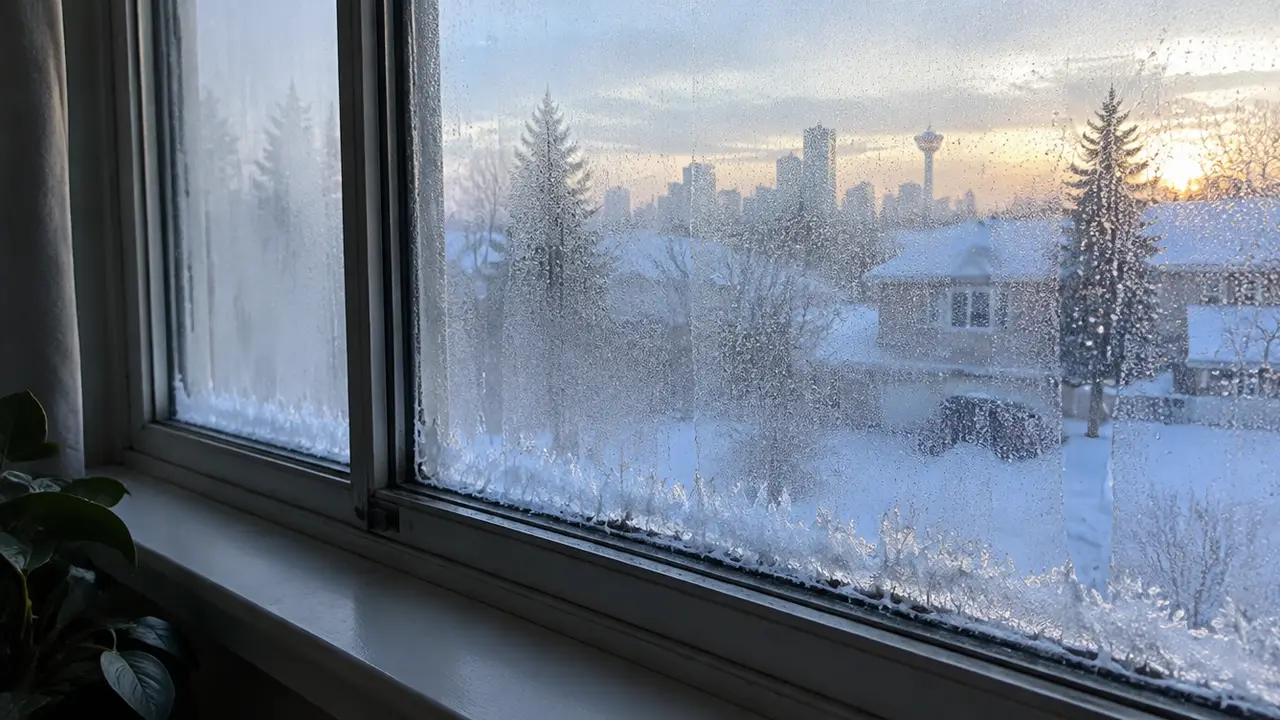
Yes, and for many households these are the benefits they notice most. Better glass keeps the room-side pane warmer, so you feel less chill sitting near a window and there is less downdraught of cold air along the glass. Tighter sashes and a properly sealed installation remove draughts at the frame and trim. NRCan notes that properly installed energy-efficient windows increase the temperature of the interior side of the window, reducing condensation.
There is one surprise to plan for. NRCan's retrofit guide notes that some homeowners find condensation gets worse after buying new windows, because the old, leaky windows were helping to reduce humidity. A tighter house needs its bath fans, range hood and any HRV or ERV to do their job. For humidity targets in cold weather, see our sister portal CalgaryAtticRain.ca.
04 /What about noise, security and maintenance?
These benefits are real but depend on the product you choose, not just on replacing. Noise drops most when leaky old windows give way to tight casements or fixed units, and further with laminated or unequal-thickness glass; a third pane alone helps less than many expect. Security improves with modern multi-point locks and laminated glass in ground-floor or hidden windows. Maintenance drops sharply when painted wood exteriors are replaced with vinyl, fibreglass or clad frames.
| Benefit | What delivers it | Ask for |
|---|---|---|
| Quieter rooms | Airtight installation, compression-seal windows, laminated or asymmetric glass | Acoustic glass options and any tested sound ratings |
| Security | Multi-point locks, laminated glass, secure hinges | Lock type and glass options for ground-floor windows |
| Less upkeep | Vinyl, fibreglass or clad exteriors; accessible hardware | Finish warranty and cleaning instructions |
| Easier operation | New hardware, balanced sashes, tilt-in cleaning | A demonstration of the exact window type |
If one of these is your main reason for replacing, say so when you request quotes; it changes which product and glass the installer should offer. For noise in particular, noise-reducing windows explains why air space, laminated glass and airtightness matter more than a third pane.
05 /Does replacing windows increase home value?
It can help a sale, but there is no reliable single number for how much value new windows add, and claims of a fixed percentage return should be treated with caution. What is clear is that failing windows are easy to see: fogged units, rot, stains below sills and draughts show up in showings and home inspections, and buyers often price in replacement. Newer windows with transferable warranties and documentation are a selling point.
If you are replacing windows mainly to sell, focus on the windows that show problems, keep the paperwork, and ask whether the warranties transfer. A full replacement right before a sale rarely returns its full cost, but leaving obvious failures can cost you in negotiation.
06 /When is window replacement worth it, and when is it not?
| Situation | Verdict | Why |
|---|---|---|
| Rot, water stains or leaks around frames | Worth it, usually full-frame | Water in walls causes damage beyond the window |
| Single glazing or sashless sliders | Usually worth it | Large comfort and heat-loss gains |
| Many fogged units, worn hardware, parts unavailable | Often worth it | Repairs add up and still leave old performance |
| A few fogged units on sound windows | Repair first | Replace the glass units only |
| Draughts only at the trim | Repair first | Seal the gap between frame and wall |
| Sound double-glazed low-e windows, energy is the only reason | Usually not yet | Small improvement for a large cost |
| Heritage wood windows in repairable condition | Consider restoration and storms | Keeps character; NRCan notes inserts suit heritage homes when frames are sound |
| Bedroom window too small for egress | Worth it, with the right size | Safety; may need a permit |
The repair or replace guide walks through each failing part. If replacement is the answer, the Window Replacement Planner gives a planning range for your mix of windows.
07 /How much should you budget?
Budget from your actual window list. In the planner, a ten-window mix of six medium casements, one large picture window, two small basement windows and a patio door, in vinyl with double low-e argon glass installed as inserts, plans at about $9,900 to $18,860. The same mix in fibreglass with triple glazing plans at about $14,800 to $28,200, and full-frame installation on stucco pushes it higher again.
Check whether any provincial, utility or municipal program applies before you sign; the rebates, tax and insurance guide explains the current landscape. The cost guide explains each multiplier, and triple-pane vs double-pane helps decide where the glass upgrade is worth it.
08 /How do you make the investment count?
- Replace the worst windows first if budget is limited, and keep records so later phases match.
- Specify certified products and get the ratings for each window type in writing.
- Choose full-frame where there is any sign of water damage, even if inserts are cheaper elsewhere.
- Insist on a proper sill pan, flashing and interior air seal; installation decides real-world comfort.
- Manage indoor humidity after the house is tighter.
- Keep labels, invoices and both warranties for the next owner.
When you have quotes, the Window Quote Checker compares them on price per window, warranties and ten inclusions. You can also request quotes through HAUSE Home.
FAQQuestions people ask
Is window replacement a good investment?
It is a good use of money when windows are failing, single-glazed or causing comfort and condensation problems. As a pure energy-saving investment on sound double-glazed windows, it usually pays back slowly.
Do energy efficient windows make a difference?
Yes, most noticeably in comfort near the glass, fewer draughts and less condensation. NRCan says ENERGY STAR certified windows are about 20 percent more energy efficient than the average window.
Why replace old windows?
Common reasons are rot or leaks, fogged glass units, broken hardware, draughts, heavy condensation, single glazing, noise, bedroom egress and appearance. Many of these can also be repaired, so check which parts are actually failing.
Does replacing windows help with heat in summer?
It can. Low-e glass with a lower solar heat gain coefficient on west- and south-facing windows reduces overheating, and tighter windows cut hot-air infiltration. Exterior shading still does the most.
Do triple pane windows increase home value?
There is no reliable figure for a specific value increase. Buyers value windows that are sound, efficient and documented. Triple glazing is a feature some buyers value, not an assured return, so choose it for comfort and performance rather than resale alone.