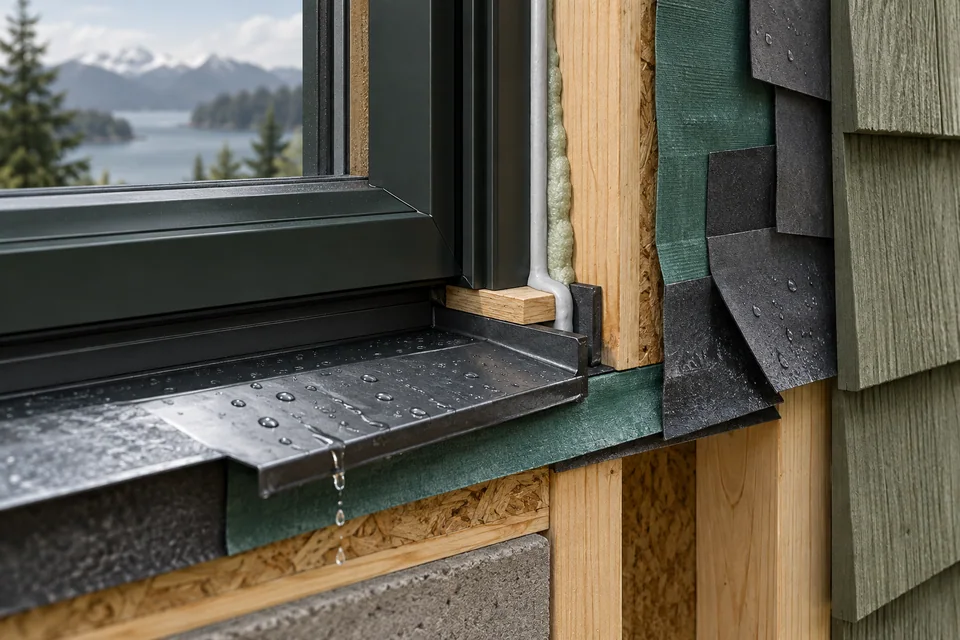
Windows can be replaced in any season in Canada. Spring and fall are comfortable for the house and the crew; summer is busiest; winter work is common and done one opening at a time, with attention to sealant and tape temperature limits and stucco patching. The bigger scheduling factor is lead time, because most replacement windows are custom-built after the installer measures.
- Order lead time, not the season, usually decides when your windows go in; ask for it in writing.
- Winter installs are workable: each opening is open only briefly, but sealants, tapes and stucco have temperature limits.
- Plan for dust and debris inside and out, clear space at each window, and remove blinds and alarm contacts.
- Upper-floor and large units may need scaffolding or a lift; ask how access is handled and priced.
- New, tighter windows can raise indoor humidity in the first winter; watch for condensation and ventilate.
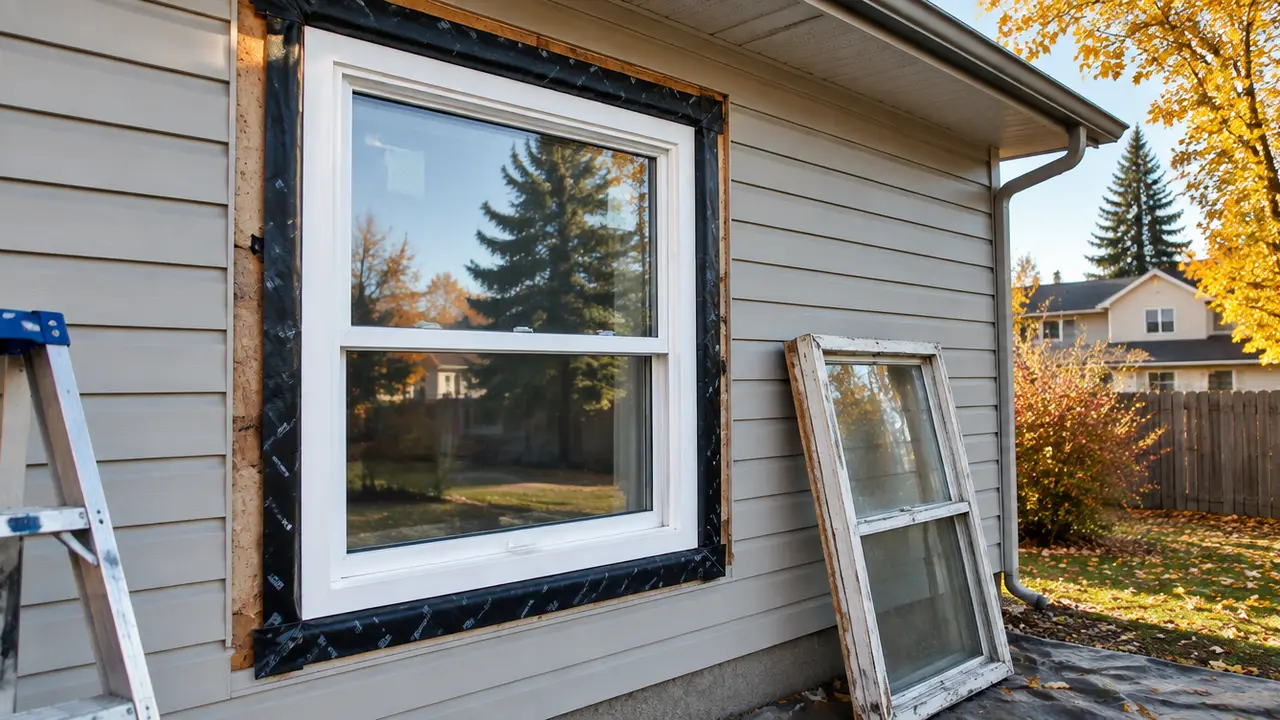
01 /When is the best time of year to replace windows?
The best time is whenever you can get the right product installed carefully, and in most of Canada that can be any month. Each season has trade-offs for comfort, weather, scheduling and certain materials.
| Season | Advantages | Watch-outs |
|---|---|---|
| Spring | Mild temperatures for sealants and stucco; windows in before summer heat | Rain days; demand rises quickly |
| Summer | Warm, dry conditions; easy to leave openings briefly exposed | Peak demand and longer lead times; hot days for crews on upper floors |
| Fall | Comfortable working temperatures; windows in before heating season | Rush to finish before freeze-up; stucco patching window closes |
| Winter | Installers often have more availability | Cold air in while each opening is out; sealant and tape temperature limits; stucco patches may need heat or wait for spring |
The planner does not change its ranges by season. Any seasonal pricing in real quotes reflects each company's workload rather than a fixed rule, so asking about availability in quieter months is reasonable.
02 /Can windows be installed in winter?
Yes. Winter window replacement is routine in Canada. Crews typically remove and replace one opening at a time, closing each before moving on, so each room loses heat only briefly. Interior doors can be closed and the heating left on.
- Materials: many flashing tapes and sealants have minimum application temperatures or need a primer in the cold. Ask which products are used below those limits.
- Foam: window and door foam cures more slowly in cold conditions; installers may use cold-weather formulations.
- Stucco: cement-based stucco patches must be protected from freezing while they cure. Full-frame work in stucco may need temporary heat and hoarding, or a temporary finish until spring. See the brick and stucco guide.
- Ice and snow: access to the exterior, ladders and capping work all need safe footing.
03 /How long does window replacement take from quote to finish?
Most of the calendar time is manufacturing. Replacement windows are typically built to order after the installer takes final measurements, so the sequence runs quotes, contract, measure, order, build, deliver, install, finish. Lead times vary by manufacturer, product line, colour and season, and specialty products such as fibreglass, clad wood, dark colours and large patio doors can take longer. Ask for the lead time in writing and what happens if it slips.
- Quotes and decision
Collect two or three written quotes and compare them in the Window Quote Checker.
- Final measure
The installer measures every opening, checks frames and notes repairs. 'Measured by the installer' is one of the checker's ten inclusions.
- Order and manufacture
Windows are built to the measured sizes. Lead time is the longest step.
- Installation
Crews remove old units, install, flash, insulate, seal and trim. A single house may take one day or several, depending on count, method and cladding.
- Finishing and walkthrough
Exterior capping or trim, interior trim, cleanup and a walkthrough to test every window. Keep labels and warranty papers.
04 /Is window replacement messy?
Some mess is unavoidable. Removing old windows releases dust, old caulking, insulation and sometimes plaster or drywall fragments, and full-frame work disturbs more than inserts. Good crews lay drop sheets, work from the opening outward and clean up each day, but expect to vacuum and dust afterwards.
- Clear a working space in front of each window inside and move fragile items out of the room.
- Take down blinds, curtains and rods, and store them away from the work.
- Tell the installer about security system contacts on windows so they can be removed and reconnected.
- Clear plants, furniture and decorations from the outside of each window and make a path for ladders.
- Plan for pets and children to be away from open windows and tools.
- Arrange parking for the crew's vehicle and space for old windows and packaging.
05 /Do window installers need to come inside, and do they need scaffolding?
In almost every replacement, installers need to work from both sides. Inserts are often set from inside, with the exterior capping and sealant done from outside; full-frame installs typically come out from outside and are finished inside with the air seal and trim. Expect the crew in each room for part of the day.
Access affects time and cost. Most one- and two-storey houses can be done from ladders, but large units on upper floors, third-storey windows, walkout basements over steep grades, and heavy triple-glazed picture windows may need scaffolding, a lift or extra crew. Ask each installer how they will reach each opening, and whether access is included in the price. The Window Replacement Planner does not add an access allowance, so this is one of the differences real quotes can reveal.
06 /Should you replace all the windows at once or in phases?
Replacing everything at once usually costs less per window, because the installer measures, orders, travels and sets up once, and the house ends up with matching products, colours and glass. Phasing spreads the cost and lets you fix the worst openings first, which is often the sensible choice when some windows are failing and others still have years left.
| Approach | Works well when | Watch-outs |
|---|---|---|
| All at once | Most windows share the same problems; you want one warranty start date and a uniform look | Larger upfront cost; one long disruption |
| By elevation | One side of the house takes the weather or the sun | Colour and glass differences between sides; order the same series |
| Worst first | A few windows leak, rot or have failed seals | Record the product series so later phases match |
| With other work | Siding, stucco or a renovation is planned anyway | Coordinate flashing with the new cladding; full-frame fits best |
If you phase the work, keep the product series, colours, glass package and installer details on file, and ask whether the manufacturer expects to keep making the same line. A mismatched window is most noticeable on the street-facing wall.
07 /What should you expect in the first winter after replacement?
Expect a quieter, less draughty house, and possibly more condensation than you expect. NRCan's retrofit guide notes that some homeowners buy new windows and find condensation gets worse, because the old, leaky windows were helping to lower indoor humidity. Once the house is tighter, moisture from cooking, showers and people stays inside longer.
- Run bathroom fans during and after showers, and the range hood while cooking.
- Keep an HRV or ERV, if you have one, running and maintained.
- Leave blinds and curtains slightly open on very cold nights so warm room air reaches the glass.
- If condensation persists, measure indoor humidity; our sister portal CalgaryAtticRain.ca has a humidity target tool built for cold-climate homes.
Condensation between the panes of a new window is different: it points to a seal defect and is a warranty matter. Window condensation explains how to tell the cases apart. For everything else about planning the project, see the window replacement cost guide and the quotes and warranties guide, or request quotes and mention your preferred timing.
FAQQuestions people ask
What month is best to replace windows?
There is no single best month. Spring and fall are comfortable and avoid temperature limits on sealants and stucco; summer is busiest; winter often has more availability. Lead time for custom windows usually matters more than the month.
Can windows be replaced in the rain?
Light rain is manageable for interior-side work, but crews avoid leaving openings exposed and applying exterior sealant, tape or stucco on wet surfaces. Expect weather delays for exterior finishing.
How long does it take to replace one window?
An insert in a sound frame can often be done in a few hours; full-frame, stucco or masonry openings take longer. Ask your installer for a day-by-day plan for your house.
Do I need to be home during window installation?
Usually for at least the start and the final walkthrough, because the crew needs inside access and you should test every window before signing off. Arrange access with the installer in advance.
Does window replacement affect my home security system?
It can, if window contacts are installed on the old frames. Tell the installer beforehand and arrange for the contacts to be removed and reinstalled or replaced.