An insert (retrofit or pocket) replacement fits a new window inside the existing frame after the old sashes are removed; the old frame stays and is capped. A full-frame replacement removes everything down to the rough opening, so framing, flashing and insulation can be inspected and redone. Inserts are faster and cheaper; full-frame fixes hidden problems and keeps more glass.
- Insert installs keep the old frame, so they only make sense when that frame is sound, square and dry.
- Full-frame installs expose the rough opening, which allows rot repair, new sill pans and flashing, and proper insulation.
- Inserts reduce the glass area and the clear opening; check bedroom egress before choosing an insert.
- In the Window Replacement Planner, full-frame adds $250 to $600 per unit, plus $300 to $800 per unit on stucco walls.
- A quote should state the method; the Window Quote Checker warns when quotes use different methods.
01 /What is the difference between insert and full-frame replacement?
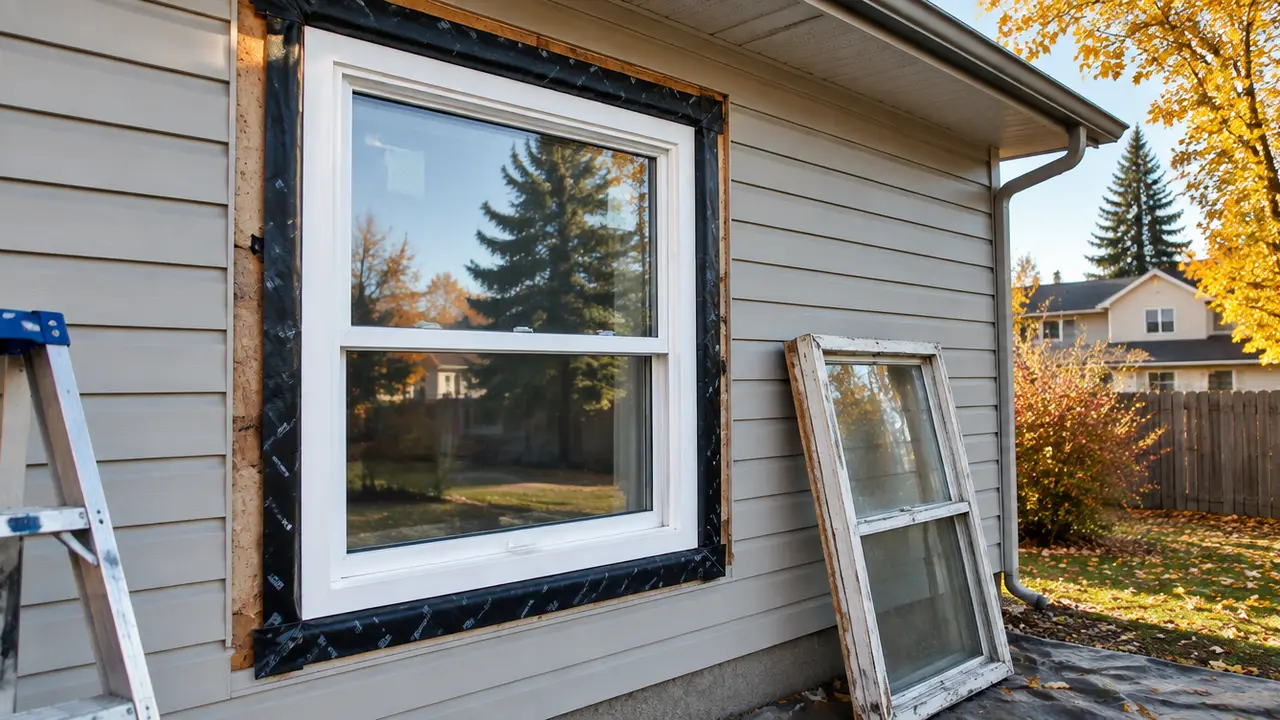
The difference is how much of the old window comes out. In an insert installation, also called a retrofit or pocket installation, the installer removes the old sashes, stops and hardware, leaves the old frame in the wall, and fits a complete new window into the pocket that remains. In a full-frame installation, sometimes called a tear-out or new-construction-style installation, the whole old window comes out, frame included, down to the rough opening in the wall framing.
02 /When is an insert replacement the right choice?
An insert is the right choice when the existing frame is solid, square, dry and well sealed to the wall, and you want to avoid disturbing interior finishes or exterior cladding. NRCan's retrofit guidance notes that where frames are still in good condition, inserts can be a good option, especially for homes with heritage status.
- Frames from a previous generation of vinyl or aluminum windows that are structurally fine but have failing glass or hardware.
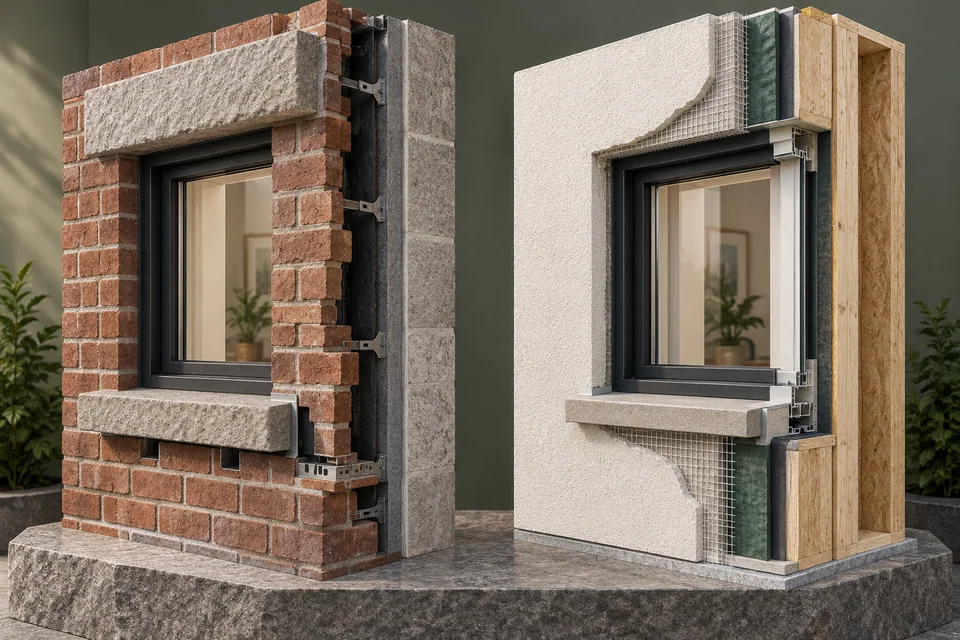
- Walls where removing the frame would mean cutting stucco or disturbing brick, plaster returns or original interior trim you want to keep.
- Condo or townhouse units where the exterior envelope belongs to the corporation and a less invasive method is preferred or required. Check your condo's rules first.
- Budgets where the full-frame allowance would push the job out of reach and the openings show no sign of water damage.
03 /When do you need full-frame replacement?
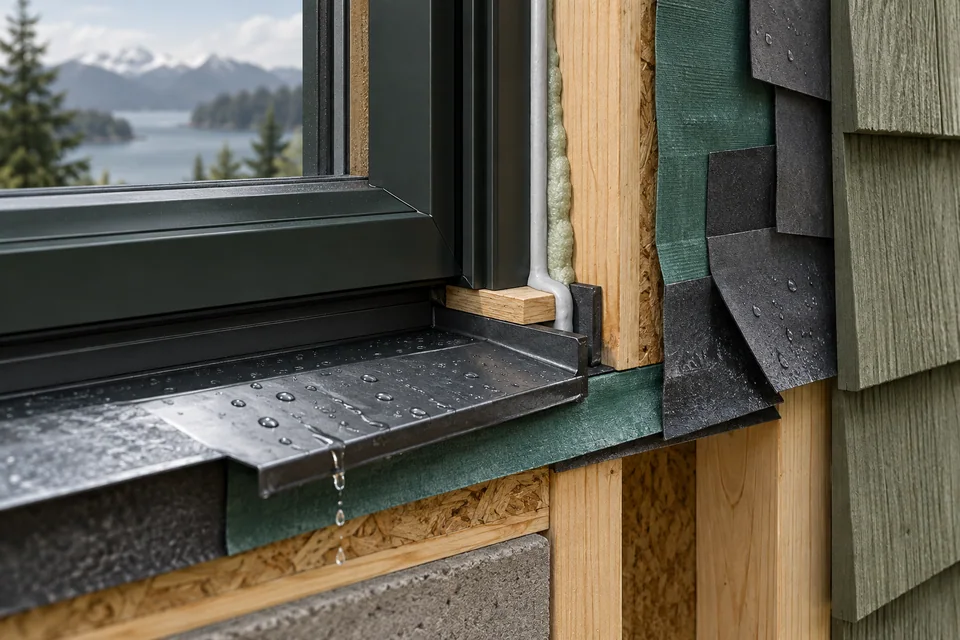
You need full-frame replacement when the old frame or the opening around it has a problem that an insert would hide, or when you want to change the window's size or maximise glass. Full-frame is also the only way to install proper sill pans and flashing tied into the wall's weather barrier.
- Rot, soft wood, mould or water staining at the sill, jambs or wall below.
- Frames that are out of square, bowed or cracked.
- History of leaks around the window, or no flashing at all.
- Draughts coming from around the frame rather than the sash.
- Changing the opening size, the window type or its operation, which also brings permits into play.
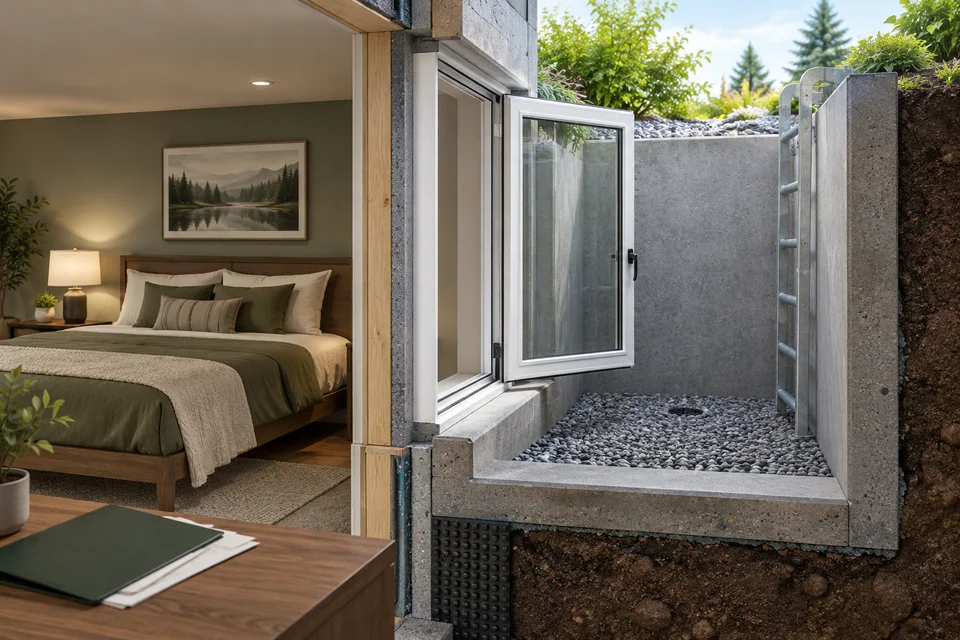
- Windows where the insert's smaller glass area or clear opening is not acceptable, including bedroom egress windows.
The planner adds $250 to $600 per unit for full-frame work, and a further $300 to $800 per unit when the exterior is stucco, because stucco must be cut back and patched around each opening. The brick and stucco guide explains why cladding changes the job.
04 /How much glass do you lose with an insert?
An insert always reduces the visible glass, because the new frame sits inside the old one. Each side of the opening loses roughly the width of the new frame, and on small windows that loss is proportionally larger. On a small basement or bathroom window it can be very noticeable.
It also reduces the clear opening, the unobstructed space a person could climb through. That matters for bedroom windows, which building codes require to provide an emergency exit. In Alberta and Ontario, official guidance cited on our permits and egress guide describes a minimum unobstructed opening of 0.35 m² with no dimension under 380 mm. An existing bedroom window that barely meets that today may fail it after an insert, so measure before you choose the method.
05 /Do replacement windows include the frame, trim and sill?
It depends on the method and the quote. A full-frame replacement includes a new frame and usually new exterior trim or brickmould, new interior casing or reinstalled casing, and a new or rebuilt interior sill (stool) if needed. An insert includes a complete new window, frame and all, but the old frame stays behind it, so the 'frame' you see is partly the new unit and partly capped old frame.
| Item | Insert | Full-frame |
|---|---|---|
| New window unit with screens where operable | Yes | Yes |
| Removal and disposal of old sashes or window | Usually | Usually |
| Interior trim or new stops | Often new stops; existing casing kept | Casing replaced or reinstalled; ask which |
| Interior sill (stool) or extension jambs | Sometimes | Often; ask |
| Exterior aluminum capping of old frame | Common | Sometimes, over new brickmould |
| Sill pan and flashing tied to the wall | Not possible in the same way | Should be included |
| Insulation and air seal around the frame | Yes, in the gap to the old frame | Yes, in the gap to the rough opening |
| Paint or stain of new interior trim | Rarely | Rarely; ask |
These are exactly the gaps the Window Quote Checker looks for: installation method specified, interior trim and finishing, exterior capping and flashing, and removal and disposal are four of its ten inclusions.
06 /Are replacement windows installed from the inside or the outside?
Inserts are often installed from inside, which suits upper floors and brick walls, and keeps crews off ladders. Full-frame replacements are more often installed from outside, because flashing and trim are integrated with the exterior cladding, though some full-frame work on brick houses is done from inside to avoid disturbing the brick. Either way, installers need access to both sides: the interior air seal and trim are finished from inside, and exterior sealant or capping from outside.
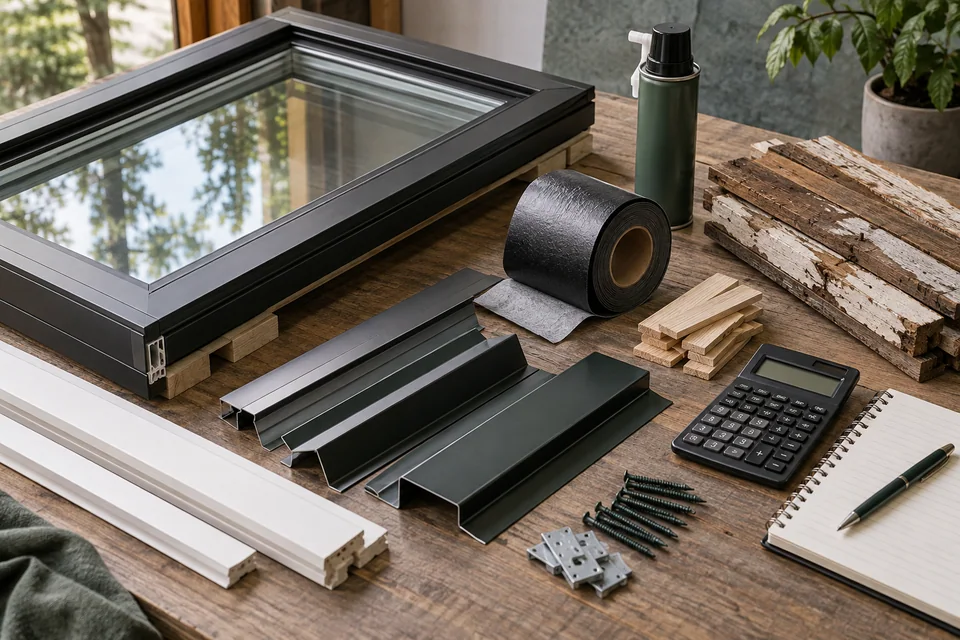
Nailing flanges are part of this. New-construction windows often have a nailing fin around the frame that is fastened to the sheathing and lapped with flashing tape, which requires removing siding around the opening. Replacement units are commonly made without a fin, or with a removable one, and are fastened through the frame with installation screws or clips. Either type can be used in a full-frame job if the details are right. If you are considering fitting an insert yourself, read DIY window replacement first.
07 /Does window replacement damage interior walls?
An insert usually leaves interior walls untouched apart from new stops or trim. A full-frame replacement can disturb the edges of drywall or plaster returns and paint around the casing, especially in older homes with plaster. Ask the installer how they remove casing, whether they protect or reinstall it, and who patches and paints. Most quotes exclude painting.
Start by deciding the method for each opening, not the whole house: many projects combine inserts on sound frames with full-frame replacement where there is damage. Run both options through the Window Replacement Planner, then read installation, flashing and sealing so you know what good work looks like, and request quotes that state the method for each window.
FAQQuestions people ask
What are insert replacement windows?
Complete windows sized to fit inside an existing frame after the old sashes and stops are removed. The old frame stays in the wall and is usually covered with aluminum capping outside and new stops or trim inside.
What is pocket window replacement?
Another name for insert or retrofit replacement: the new window goes into the 'pocket' left in the old frame once the sashes are out.
Does window replacement include the frame?
Full-frame replacement includes a new frame and removes the old one. An insert includes a new window with its own frame, but the old frame stays behind it. Your quote should say which method is used for each opening.
Can replacement windows be used in new construction?
Units made for inserts are not suited to new walls. Many manufacturers offer the same series with a nailing fin or in a block-frame format for new construction and full-frame replacement. Ask for the version that suits the method.
Do replacement windows come with screens?
Operable windows are normally supplied with insect screens; fixed windows are not. Confirm in the quote, especially for sliders and patio doors.
Is full-frame replacement worth the extra cost?
It is worth it when frames are damaged or out of square, when there is a leak history, when you want more glass or a new size, or for bedroom egress windows. When frames are sound, an insert is a reasonable choice.